

Does sport actually help teenagers’ mental health, and are schools doing anything useful with it? Yes to the first, patchily to the second. Regular physical activity is linked to better mood, sleep and concentration in young people, and a growing number of secondary schools in England, Scotland and Wales now build movement into pastoral care rather than treating PE as a separate timetable slot. Here is how sport and mental health in UK schools in 2026 tends to look in practice.
One note first. I haven’t interviewed teachers or youth health workers for this piece, so what follows draws on publicly documented guidance and typical school set-ups, not quotes. Where I give an example, it is a typical case, not a named school.
1. Mindful movement sessions
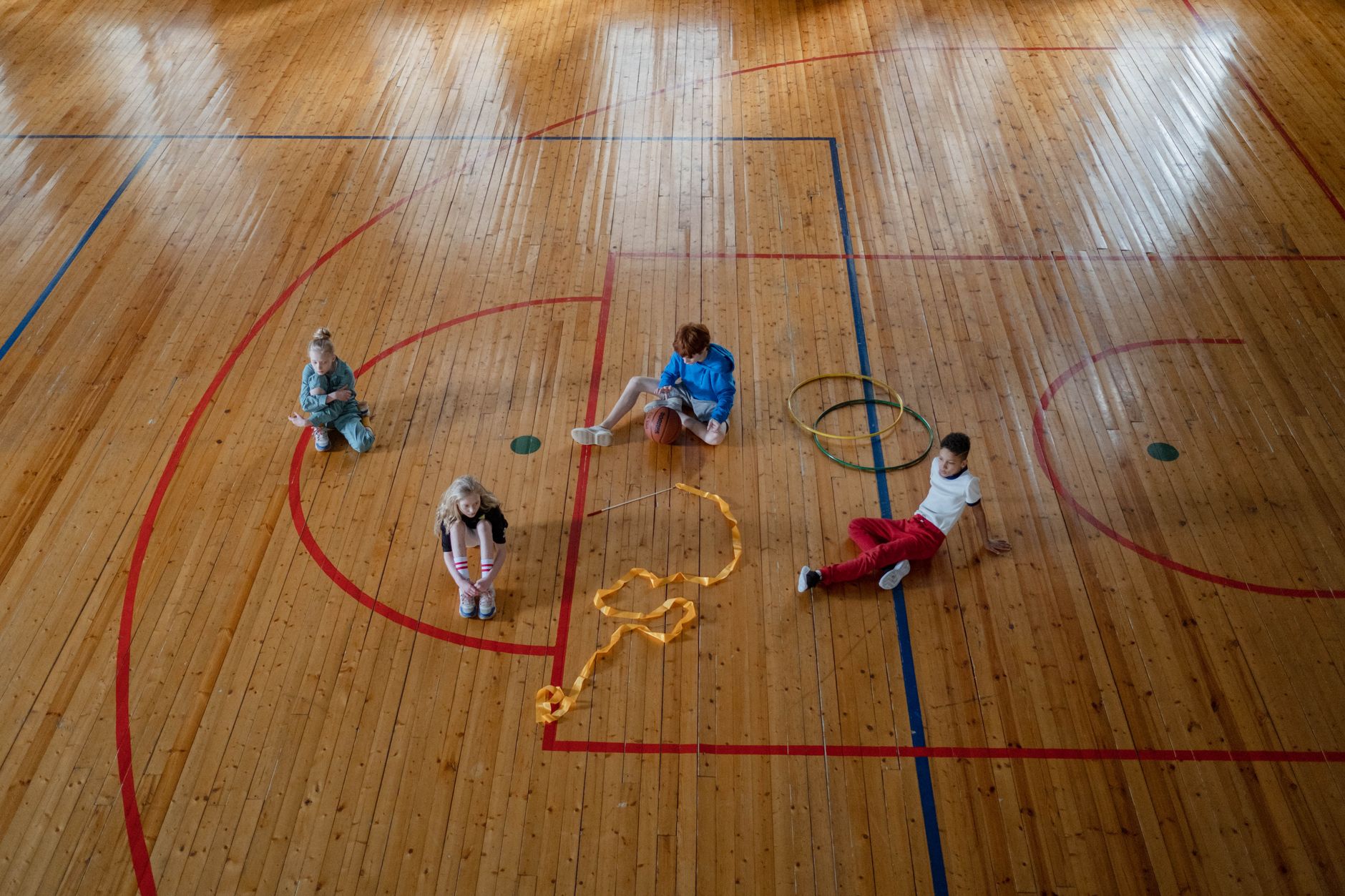
Yoga, stretching and breathing-led sessions are the easiest thing for a school to add. A typical set-up is a 20-minute slot in the sports hall or a spare classroom, run by a PE teacher or visiting instructor, open to anyone who finds the main curriculum overwhelming. No kit competition, no league table. For pupils who dread team games, it is often the first time movement feels safe.
2. Active tutor time and form-group challenges
Some schools use the start of the day for a short walk, a circuit or a step challenge between tutor groups. Say a Year 9 form group aims to walk a collective distance across a half term. The point is not fitness gains, it is belonging: a form group with a shared goal gives quieter pupils a low-pressure way to join in.
3. Inter-school competitions that are not only for the elite
Traditional fixtures reward the best players. The more useful model runs tiered or mixed-ability events: B and C teams, festivals rather than leagues, and roles for non-players such as officials, photographers and organisers. That widens who gets the sense of purpose sport can give. If a school only ever fields its strongest eleven, it is missing most of the mental health benefit.
4. Peer-led programmes: sports leaders
Older pupils trained to lead activities for younger ones is a well-established idea in UK schools, with leadership awards available through bodies such as the Youth Sport Trust. It works on both sides: the younger pupil gets a friendly face, and the older leader gets responsibility and confidence. It also puts trusted peers in a position to notice when someone is struggling.
5. Links with NHS and community services
Schools increasingly work alongside NHS-linked services, such as Mental Health Support Teams in schools in England, which are designed to support mild to moderate issues. Physical activity is a natural fit for the early-help end: a pupil with low mood might be steered towards a lunchtime running club alongside, not instead of, talking support. Activity is a support, not a treatment, and anyone with serious symptoms needs proper clinical help.
6. Outdoor and non-traditional activity
Climbing walls, cycling, dance, martial arts, outdoor learning and walking groups all show up in pastoral plans. Wales and Scotland both build health and wellbeing into their curricula, with Scotland’s Curriculum for Excellence treating health and wellbeing as a responsibility across all staff, not only PE. The practical lesson: variety matters, because the pupil who hates football may love bouldering.
7. Protecting break and lunchtime movement
Often the cheapest intervention is simply keeping spaces open: the astro, the courts, the gym. Supervised lunchtime access, with a member of staff nearby, gives pupils a place to be that is not the corridor or a phone screen. It costs far less than a new programme and reaches pupils who would never sign up for a club.
How do you know if a school’s approach is any good?
A good programme is one that reaches the pupils who least want to take part. Ask your child’s school a few direct questions:
- Is there something on offer for pupils who dislike competitive sport?
- Are activities free or low cost, including kit?
- Do PE staff and pastoral staff talk to each other about individual pupils?
- Is there a clear route to NHS or school counselling support when activity is not enough?
If the answers are vague, that tells you something. The NHS Every Mind Matters pages are a sound starting point for parents wanting to understand how exercise fits into looking after a young person’s mental health.
What the limits are
Sport is not a cure for the pressures on teenagers, and it cannot replace counselling, CAMHS or a GP. Waiting times for specialist services remain a real problem, and schools sometimes lean on activity to fill gaps that need proper funding. Used honestly, as one strand of pastoral care, it is worth having. Used as a substitute, it lets everyone off the hook.
My advice: if you are a parent, find out what your school offers beyond the first team, and encourage your child to try one new thing this term. If you are a pupil, start small. A lunchtime walk with a mate counts.


Leave a Reply